Why Storage Issues Greater Than You Think
Most individuals assume that water resistant gear stops working due to heavy use or deterioration. While that's partly real, improper storage increases the failure of the products and layers that keep wetness out. Waterproof fabrics-- particularly those covered with a Long lasting Water Repellent (DWR) surface-- can break down when compressed, exposed to heat, or left moist for long periods. The DWR covering causes water to grain and roll off the surface area. When it breaks down too soon because of negative storage space routines, that beading effect disappears, and your equipment begins to damp out, meaning the material takes in water rather than repelling it.
Clean It Before You Shop It
This is the solitary essential guideline of water-proof equipment storage space: never put it away filthy. Dirt, salt, sweat, and oils don't just sit harmlessly externally-- they proactively deteriorate the DWR finishing over time. Before saving any kind of water resistant product, offer it an appropriate wash making use of a technological cleaner particularly designed for water-proof materials. Criterion cleaning agents have conditioners and additives that obstruct the pores of breathable membranes like Gore-Tex and can remove the DWR layer.
Re-activating the DWR After Washing
When the item is tidy and still somewhat damp, tumble completely dry it on a low warmth setting or use gentle warmth with an iron over a towel. Warm re-activates the DWR particles and brings back the beading impact. Skipping this action after cleaning methods you're placing equipment away with a jeopardized water-repellent surface, which just gets worse in storage.
Dry Completely Prior To Storing
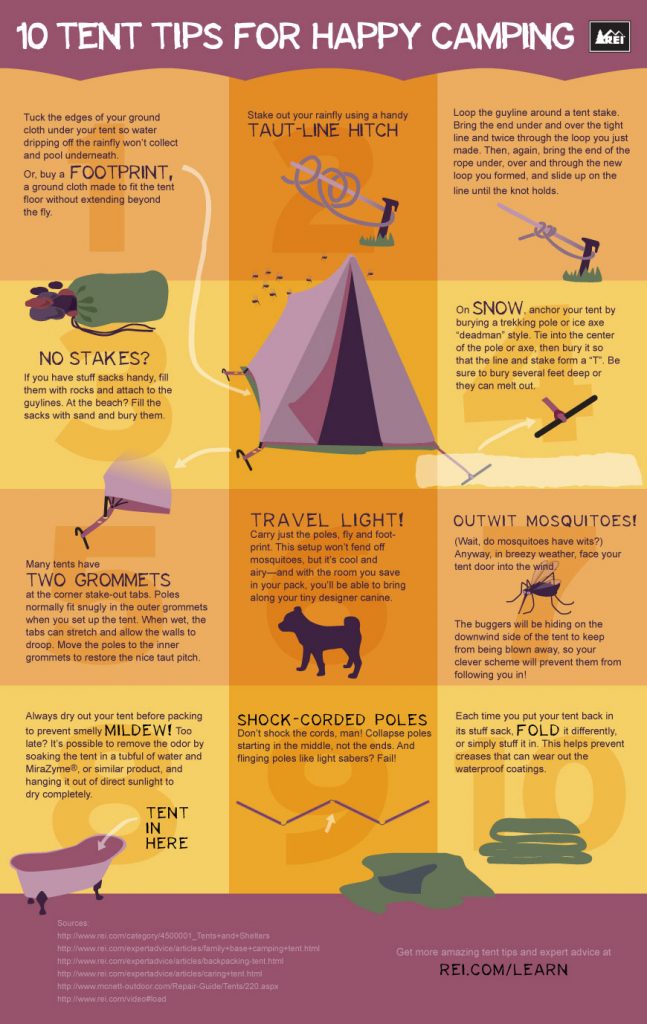
Storing wet water resistant equipment is among the fastest means to ruin it. Moisture entraped inside promotes mold growth, which can completely harm waterproof membrane layers and create undesirable odours that are really challenging to get rid of. After any getaway, hang your gear in a well-ventilated location and permit it to air dry entirely before folding or hanging it for storage space. This applies to whatever-- coats, gaiters, water-proof trousers, and even things sacks.
Prevent Compression for Long-Term Storage
It could be alluring to stuff your water-proof jacket right into its pack-down pouch and leave it there for months. Resist that impulse. Keeping water-proof gear compressed for extended periods stresses the seams, flake the textile layers, and causes creasing that can split or weaken the DWR finishing gradually. Rather, shop coats and pants freely-- either hanging on a wide-shouldered wall mount or folded up carefully in a breathable bag or open shelf.
Keeping Water-proof Tents and Sleeping Bags
Outdoors tents and sleeping bags with water resistant coverings adhere to the very same principle. Never ever store them compressed in their stuff sacks for months each time. Make use of a large mesh bag or a cotton storage space sack that allows the material to take a breath and maintains it from being loaded securely. Store them in a great, dry location far from direct sunshine.
Keep It Far From Heat and UV Light
Long term exposure to warmth and UV radiation are silent awesomes of waterproof gear. Both break down the polymers in water-proof finishes and membrane layers far quicker glamping.tent than regular use would. Avoid storing equipment in garages or automobile boots where temperature levels can surge dramatically, and maintain it out of direct sunlight any place possible. An amazing, completely dry interior cabinet is perfect.
Water Resistant Footwear Requirements Special Interest
Waterproof boots and shoes require somewhat various storage space treatment. Constantly remove the insoles and enable them to dry separately. Stuff the boots loosely with newspaper or a boot shaper to help them preserve their type. Use an expert waterproofing wax or spray prior to long-lasting storage space, and keep them far from direct warm resources, which can trigger the water-proof lining to fracture or peel.
A Straightforward Routine That Pays Off
Keeping waterproof gear appropriately doesn't require unique tools or hours of effort. Tidy it, dry it completely, shop it loosely in an amazing and shaded space, and provide it a DWR freshen every period or more. Adhere to these steps consistently, and your equipment will continue to execute accurately with years of adventures-- maintaining you completely dry when the climate transforms and giving you far much better worth for your financial investment over time.